
What Is a Routine Health Checkup?
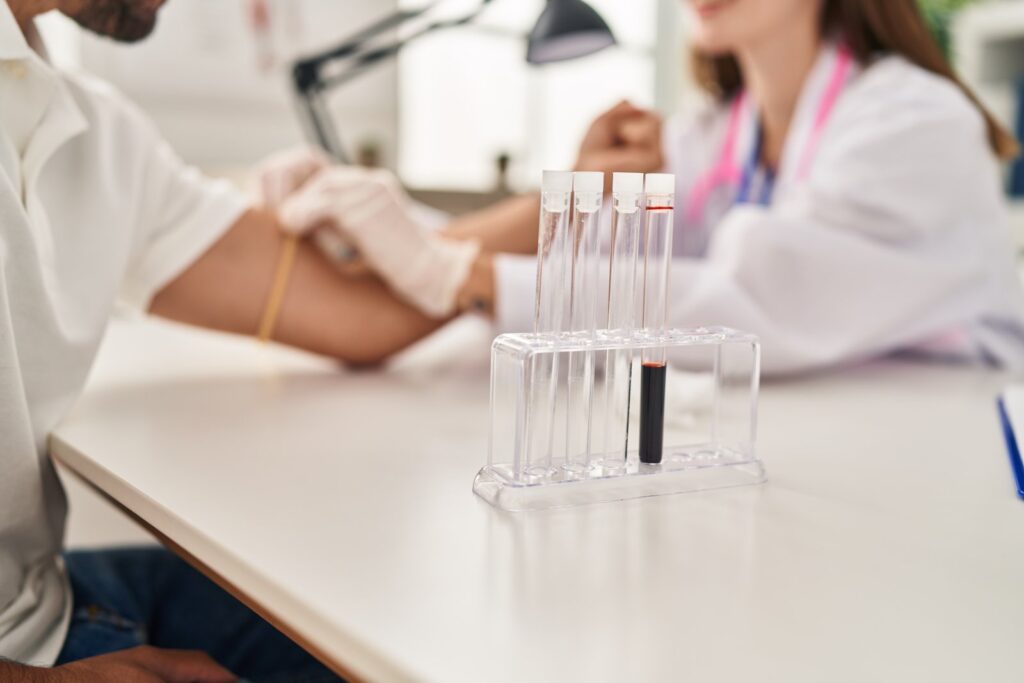
A routine health checkup is a regular visit to your doctor for health screening. During this visit, your doctor may order routine blood tests. These tests help find health problems early, even before you feel sick. For example, a routine health checkup can spot high blood sugar or cholesterol. Early detection of diseases can help you stay healthy and avoid serious problems. Many people do not notice symptoms until a disease has progressed. That is why preventive health checkup visits are important for everyone, even if you feel well.
Why Are Sugar, Lipid, Thyroid, Kidney & Liver Tests Important?
Routine blood tests like sugar, lipid, thyroid, kidney, and liver tests check how your body is working. Each test looks for different issues. For instance, high blood sugar can lead to diabetes. High cholesterol can increase your risk of heart disease. Thyroid problems can affect your energy and weight. Kidney and liver tests show how well these organs are working. Because many diseases do not cause symptoms at first, these tests help find problems early.
Overview of Each Test
Sugar Test (Blood Glucose)
The sugar test measures the amount of glucose in your blood. Glucose is a type of sugar your body uses for energy. However, too much glucose can be harmful. High blood sugar may mean you have diabetes or are at risk for it. On the other hand, low blood sugar can also cause health problems. Symptoms of high blood sugar include thirst, tiredness, and frequent urination. Risk factors include being overweight, family history, and lack of exercise. Routine blood tests help catch changes early, so you can manage your health better.
Lipid Profile
A lipid profile checks the levels of fats in your blood. These include cholesterol and triglycerides. High levels can block your blood vessels and raise your risk of heart attack or stroke. You may not feel any symptoms until a problem occurs. Risk factors include unhealthy diet, lack of exercise, and family history. Because of this, experts recommend regular lipid tests as part of a preventive health checkup. The test can help you and your doctor make changes to lower your risk.
Thyroid Function Tests
Thyroid tests measure how well your thyroid gland is working. This small gland controls your body’s energy and metabolism. If your thyroid is too active or not active enough, you may feel tired, gain or lose weight, or feel cold or hot. Symptoms can be mild or hard to notice. Risk factors include family history and certain health conditions. Routine health checkup visits often include thyroid tests, especially if you have symptoms or risk factors.
Kidney Function Tests
Kidney tests check how well your kidneys clean your blood. Healthy kidneys remove waste and extra water from your body. If your kidneys do not work well, waste can build up and make you sick. Symptoms of kidney problems may include swelling, tiredness, or changes in urination. However, many people have no symptoms at first. Risk factors include high blood pressure, diabetes, and family history. Routine blood tests can spot kidney problems early, so you can get treatment sooner.
Liver Function Tests
Liver tests show how well your liver is working. The liver helps digest food, stores energy, and removes toxins. Problems with your liver can cause tiredness, yellow skin, or swelling. Yet, many people do not notice symptoms until the disease is advanced. Risk factors include heavy alcohol use, certain infections, and obesity. Early detection of diseases like hepatitis or fatty liver is possible with routine health checkup tests.
How Often Should You Get These Tests?
How often you need a routine health checkup depends on your age, health, and risk factors. In general, adults should get these tests at least once a year. However, your doctor may suggest more frequent checks if you have risk factors like diabetes, high blood pressure, or a family history of disease. Children and teens may need tests less often, unless they have symptoms or risks. In some locations, test availability may vary, so check with your local clinic or hospital.
Preparing for Your Routine Health Checkup
Before your routine health checkup, your doctor may give you instructions. For some blood tests, you may need to fast (not eat or drink) for 8–12 hours. This helps get accurate results, especially for sugar and lipid tests. Bring a list of your medicines and any symptoms you have noticed. If you have questions, write them down. In addition, wear comfortable clothes and bring your ID and insurance card. Some clinics may ask you to arrive early for paperwork. If you are unsure about test requirements, call your clinic ahead of time.
What Do the Results Mean?
After your routine blood tests, your doctor will review the results with you. Each test has a normal range. If your results are outside this range, it does not always mean you are sick. For example, high blood sugar may mean diabetes, but sometimes it can be due to stress or food. Abnormal lipid results may show a higher risk for heart disease. Thyroid, kidney, or liver test changes can point to different health problems. Your doctor will explain what your results mean and suggest next steps. Sometimes, you may need more tests or a change in your lifestyle.
Tips for Maintaining Good Health Between Checkups
Between your routine health checkups, you can take steps to stay healthy. First, eat a balanced diet with fruits, vegetables, and whole grains. Next, exercise regularly, even if it is just a daily walk. Avoid smoking and limit alcohol. If you have a chronic condition, take your medicines as prescribed. In addition, manage stress and get enough sleep. Because early detection of diseases is key, do not skip your preventive health checkup. If you notice new symptoms, contact your doctor right away. Finally, keep track of your health records and test dates for future visits.
Routine health checks can help identify changes in blood sugar, cholesterol, thyroid function, and kidney and liver health before they become more noticeable. The right tests depend on your age, health history, symptoms, and risk factors, so regular medical guidance is important.
Stay proactive about your health with timely testing and medical guidance.
Consult Devi Healthcare Centre to understand which routine health tests are right for you.