

What Is Stress and How Does It Affect the Body?
Stress is how your body reacts to challenges or demands. When you feel stressed, your body releases hormones like cortisol and adrenaline. These hormones prepare you to act quickly. However, if stress lasts too long, it can harm your health. For example, long-term stress may cause headaches, trouble sleeping, or even high blood pressure. In addition, stress can make you feel tired or anxious. According to the Centers for Disease Control and Prevention (CDC), managing stress is important for both your mind and body.
How Yoga Helps with Stress Control
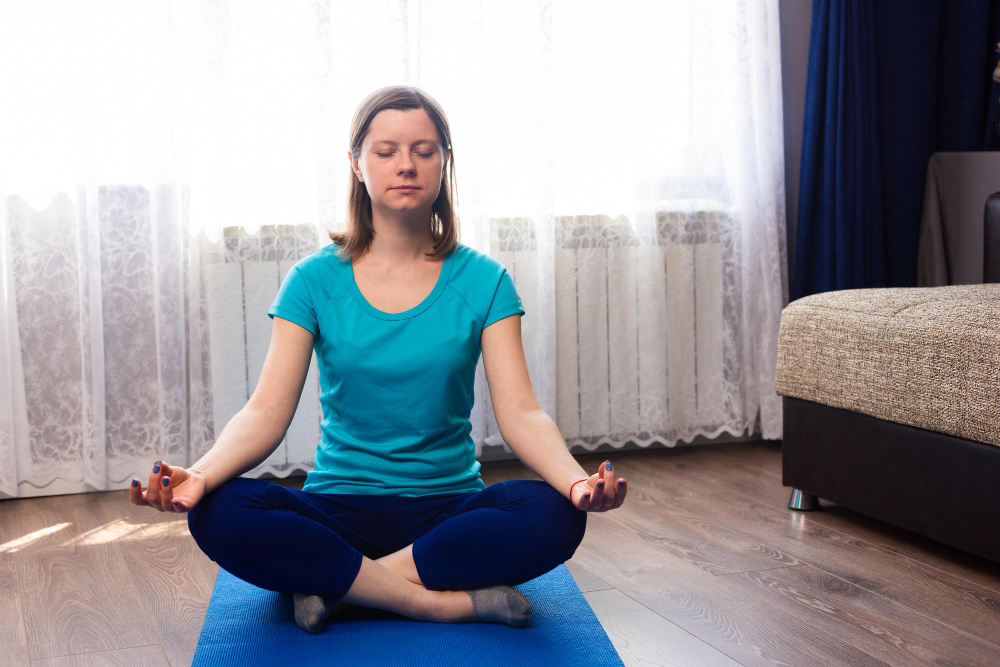
Yoga for stress control uses gentle movements, breathing, and relaxation. Many people find that yoga helps calm their minds and relax their bodies. For instance, yoga encourages you to focus on the present moment. This focus can help you let go of worries. Moreover, yoga can lower your heart rate and reduce muscle tension. The World Health Organization (WHO) notes that yoga may support mental health and well-being. Because yoga is easy to adapt, you can practice it at home or in a class.
Breathing Exercises for Stress Relief
Breathing exercises for stress relief are simple tools you can use anywhere. When you breathe slowly and deeply, your body sends signals to relax. As a result, your heart rate slows, and you may feel calmer. In fact, the CDC suggests that deep breathing is a helpful stress management technique. You do not need special equipment or much time to start. Even a few minutes of focused breathing can make a difference.
Step-by-Step Guide to Simple Yoga Poses for Stress
Many yoga poses are gentle and safe for beginners. Below are some easy yoga for stress relief at home:
Try each pose for a few minutes. Remember, if you feel pain, stop and rest. Always move gently and listen to your body.
Easy Breathing Techniques to Practice at Home
There are several simple breathing exercises for stress relief. You can try these at home or anywhere you feel safe. For example, you might use these before bed or during a break at work.
These techniques can help you feel more relaxed and focused. Over time, you may notice less tension and worry.
Scientific Evidence: What Research Says About Yoga, Breathing, and Stress
Many studies show that yoga and breathing exercises for better stress control are effective. For instance, research in medical journals finds that regular yoga practice can lower stress and improve mood. In addition, deep breathing exercises may reduce anxiety and help you sleep better. The World Health Organization (WHO) and the CDC both support yoga and breathing as helpful stress management techniques. While results can vary, most people report feeling calmer after practicing these methods.
Tips for Safely Starting Yoga and Breathing Exercises
Before you begin, it is wise to keep safety in mind. Although yoga and breathing exercises are gentle, you should listen to your body. Here are some tips to help you start safely:
With regular practice, you may notice more calm and less stress in your daily life. Consult at Devi Healthcare Centre Malda now.